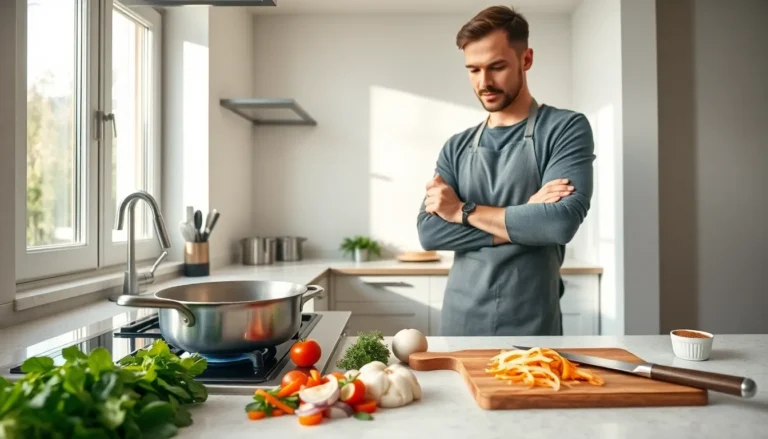

Learning how to master cooking techniques transforms ordinary meals into memorable dishes. Every home cook benefits from understanding the fundamentals behind each method. Whether someone grills a steak or simmers a stew, technique determines the final result. This guide breaks down essential cooking methods into three categories: dry heat, moist heat, and combination techniques. Readers will discover practical tips for applying each approach in their kitchens. Better cooking starts with understanding these core principles.
Table of Contents
ToggleKey Takeaways
- Mastering cooking techniques falls into three categories: dry heat, moist heat, and combination methods.
- Dry heat cooking techniques like sautéing, roasting, and grilling create browning, crispiness, and concentrated flavors.
- Moist heat methods such as simmering, poaching, and steaming produce tender results while preserving nutrients.
- Combination techniques like braising and stewing transform tough cuts into fall-apart tender dishes with deep flavor.
- Use a digital thermometer to ensure precise cooking temperatures and avoid undercooked or overcooked results.
- Practice one cooking technique at a time to build confidence before advancing to more complex methods.
Dry Heat Cooking Methods
Dry heat cooking techniques use air, oil, or fat to transfer heat to food. These methods create browning, crispiness, and concentrated flavors. They work best for tender cuts of meat, vegetables, and baked goods.
Sautéing
Sautéing involves cooking food quickly in a small amount of fat over high heat. The pan stays hot, and cooks move the ingredients frequently. This technique works well for vegetables, thin cuts of meat, and seafood. A proper sauté creates caramelization on the surface while keeping the interior tender.
Roasting and Baking
Roasting and baking both use dry, hot air in an oven. Roasting typically refers to cooking meats and vegetables at higher temperatures. Baking usually describes breads, pastries, and casseroles at moderate heat. Both cooking techniques require proper temperature control and timing.
Grilling and Broiling
Grilling applies direct heat from below, while broiling applies it from above. Both methods cook food fast and create distinctive char marks. Steaks, burgers, chicken, and vegetables all benefit from these high-heat approaches. The key is watching food closely to prevent burning.
Pan-Frying and Deep-Frying
Pan-frying uses a moderate amount of oil to cook food in a skillet. Deep-frying submerges food completely in hot oil. Both produce crispy exteriors and moist interiors. Temperature matters greatly here, oil that’s too cool creates greasy results, while oil that’s too hot burns the coating before the inside cooks.
Moist Heat Cooking Methods
Moist heat cooking techniques use water, stock, or steam to cook food. These methods produce tender results and work well for tougher cuts of meat. They also preserve nutrients in vegetables better than some dry methods.
Boiling and Simmering
Boiling heats liquid to 212°F (100°C), creating rapid bubbles. Simmering keeps liquid just below that point with gentle bubbles. Pasta, grains, and eggs often get boiled. Soups, sauces, and stews benefit from slow simmering. Knowing when to use each prevents overcooking.
Poaching
Poaching cooks food gently in liquid kept between 160°F and 180°F. This technique suits delicate items like eggs, fish, and chicken breasts. The low temperature prevents proteins from becoming tough. Poaching liquid can include wine, broth, or flavored water.
Steaming
Steaming suspends food above boiling water so hot vapor cooks it. This method preserves color, texture, and vitamins. Vegetables, dumplings, and fish steam beautifully. A proper steamer basket or insert makes the process simple.
Blanching
Blanching briefly boils vegetables, then plunges them into ice water. This technique sets bright colors and partially cooks produce before freezing. It also loosens skins on tomatoes and peaches for easy peeling. Timing is critical, seconds count during blanching.
Combination Cooking Techniques
Combination cooking techniques merge dry and moist heat methods. These approaches work especially well for tougher cuts that need long, slow cooking. The result is fall-apart tender meat with deep flavor.
Braising
Braising starts with searing meat in hot fat to develop a brown crust. Then liquid gets added, and the dish cooks slowly at low temperature. Pot roasts, short ribs, and chicken thighs become incredibly tender through braising. The cooking liquid transforms into a flavorful sauce.
Stewing
Stewing resembles braising but uses smaller pieces of meat submerged in more liquid. The food cooks completely covered in broth, wine, or water. Classic beef stew and chicken fricassee showcase this technique. Low heat and patience produce the best stews.
Sous Vide
Sous vide seals food in plastic bags and cooks it in precisely controlled water. This modern cooking technique produces consistent results impossible to achieve otherwise. Steaks reach exact doneness throughout. A quick sear after sous vide adds the missing crust. Home cooks increasingly adopt this method as equipment becomes affordable.
Tips for Improving Your Cooking Skills
Mastering cooking techniques requires practice and attention to detail. These practical tips help cooks at any level improve their results.
Read recipes completely before starting. Surprises mid-cook lead to mistakes. Prep all ingredients first, chefs call this “mise en place.”
Invest in a good thermometer. Guessing temperature causes undercooked meat or overcooked proteins. Digital instant-read thermometers cost little and save many meals.
Let meat rest after cooking. Cutting immediately releases juices onto the plate instead of into each bite. Five to ten minutes makes a noticeable difference.
Taste food throughout the process. Seasoning builds in layers. Adding salt only at the end creates flat flavor. Adjust as the dish develops.
Learn from mistakes. Burnt garlic teaches better heat control. Tough chicken reveals the importance of timing. Each failure becomes a lesson that improves future cooking.
Practice one technique at a time. Mastering sautéing before attempting braising builds confidence. Solid fundamentals support more advanced skills.