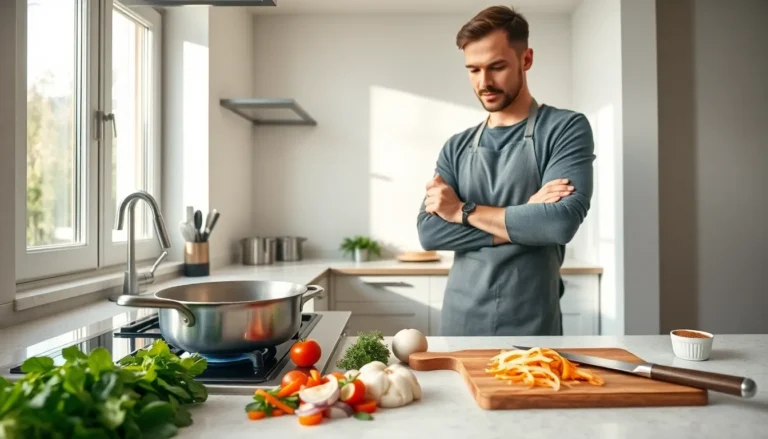

Mastering cooking techniques tools is the foundation of every great meal. A sharp knife won’t save a dish if the cook doesn’t understand searing. A heavy Dutch oven becomes dead weight without knowledge of braising. The relationship between method and equipment matters more than most home cooks realize.
This guide breaks down the essential cooking techniques every kitchen enthusiast should know. It also covers the tools that make each method easier, faster, and more consistent. Whether someone is stocking their first apartment kitchen or upgrading after years of making do, understanding this connection transforms everyday cooking.
Table of Contents
ToggleKey Takeaways
- Mastering cooking techniques tools means understanding how methods like sautéing, braising, and roasting pair with the right equipment for better results.
- Start with essential tools—a quality chef’s knife, 12-inch skillet, and medium saucepan—to handle most weeknight cooking needs.
- A Dutch oven is a versatile investment that supports braising, baking, deep-frying, and roasting in one piece of equipment.
- Match your tools to specific techniques: use sloped-sided pans for sautéing, heavy lidded pots for braising, and low-sided pans for roasting.
- Invest in quality over quantity—durable stainless steel and cast iron cookware can last decades and outperform cheaper alternatives.
- Build your kitchen toolkit gradually based on what you actually cook, adding specialty items like steamers or woks as your interests develop.
Fundamental Cooking Methods Every Home Cook Should Know
Before buying a single pan, home cooks should understand the core cooking techniques that form the backbone of nearly every recipe.
Sautéing involves cooking food quickly in a small amount of fat over medium-high heat. It’s the go-to method for vegetables, thin cuts of meat, and aromatics like garlic and onions. The word comes from the French “to jump”, and that’s exactly what the food should do in the pan.
Braising combines dry and wet heat. First, the cook sears meat or vegetables at high temperature. Then they add liquid and cook slowly at low heat. This technique turns tough cuts into tender, flavorful dishes. Think pot roast or coq au vin.
Roasting uses dry heat in an enclosed space, usually an oven. It works well for larger cuts of meat, whole chickens, and vegetables. The high, consistent heat creates caramelization on the outside while cooking the interior evenly.
Grilling applies direct heat from below. It creates distinctive char marks and smoky flavor. Steaks, burgers, and vegetables all benefit from this fast, high-heat method.
Steaming cooks food using hot vapor rather than direct contact with water. It preserves nutrients and works especially well for fish, dumplings, and delicate vegetables.
Blanching involves briefly boiling food, then plunging it into ice water. This technique sets color in green vegetables and loosens skins on tomatoes or peaches.
These cooking techniques form the foundation. Once a home cook understands them, they can tackle almost any recipe with confidence.
Must-Have Kitchen Tools for Basic Techniques
The right cooking techniques tools make the difference between frustration and success. Here’s what every kitchen needs.
Knives and Cutting Boards
A quality chef’s knife handles 90% of cutting tasks. An 8-inch blade works for most home cooks. Pair it with a sturdy cutting board, wood or plastic, never glass. A paring knife handles detail work like peeling and trimming.
Pans and Pots
A 12-inch stainless steel skillet excels at sautéing and searing. It handles high heat without warping and develops fond (those browned bits that build sauces). A cast iron skillet offers similar benefits with superior heat retention.
For braising, a Dutch oven is essential. The heavy lid traps moisture, and the thick walls distribute heat evenly. A 5-6 quart size suits most households.
A large stockpot handles blanching, boiling pasta, and making soups. A medium saucepan covers everything from rice to reductions.
Specialty Items
A steamer basket, either bamboo or metal, fits into existing pots and enables steaming without extra equipment. Tongs act as an extension of the cook’s hand, perfect for flipping and moving food during high-heat cooking.
An instant-read thermometer removes guesswork from meat cookery. No more cutting into a chicken breast to check doneness.
These cooking techniques tools don’t require a massive budget. Quality beats quantity every time.
Matching the Right Tool to Each Cooking Technique
Knowing which tool supports which technique prevents kitchen frustration and wasted food.
Sautéing demands a pan with sloped sides that allow easy tossing and quick evaporation. Stainless steel or carbon steel work best. Nonstick pans can work for delicate items like eggs, but they don’t develop fond.
Braising requires a heavy pot with a tight-fitting lid. The Dutch oven dominates here. Enameled cast iron versions won’t react with acidic ingredients like tomatoes or wine. The weight matters, it keeps heat steady during long cooking times.
Roasting needs a pan with low sides to allow air circulation. A sheet pan works for vegetables. A roasting pan with a rack elevates meat, allowing heat to reach all surfaces. Some cooks prefer cast iron skillets for smaller roasts.
Grilling obviously requires a grill, gas or charcoal. But accessories matter too. Long-handled tongs protect hands from heat. A grill brush keeps grates clean. A meat thermometer ensures safe internal temperatures.
Steaming works with a simple steamer basket placed over simmering water. Bamboo steamers stack, allowing multiple items to cook simultaneously. Electric steamers offer convenience but aren’t strictly necessary.
Blanching needs a large pot with enough water to maintain temperature when food enters. A spider strainer or slotted spoon retrieves food quickly. A bowl of ice water must be ready nearby.
Matching cooking techniques tools correctly means better results with less effort.
How to Build Your Kitchen Toolkit Over Time
Nobody needs to buy everything at once. Smart cooks build their collection gradually, based on what they actually cook.
Start with the essentials. A chef’s knife, cutting board, 12-inch skillet, and medium saucepan handle most weeknight meals. These cooking techniques tools cover sautéing, pan-frying, and basic sauce work. Spend more on the knife, it’s used constantly.
Add a Dutch oven next. This single piece enables braising, baking bread, deep-frying, and even roasting. It’s versatile enough to justify the cost. Look for 5-6 quart enameled cast iron.
Expand based on interest. Someone who grills weekly should invest in quality tongs and a reliable thermometer. A home cook who loves Asian cuisine might prioritize a wok. Bakers need different tools than someone focused on meat cookery.
Buy quality over quantity. A $150 knife lasts decades with proper care. A $15 knife needs replacing within a year. The same logic applies to pans. Cheap nonstick wears out quickly. Good stainless steel or cast iron can outlive its owner.
Consider used options. Cast iron and stainless steel appear frequently at estate sales and thrift stores. These materials don’t wear out. A $20 vintage cast iron skillet often outperforms a $40 new one.
Patience pays off. Cooking techniques tools accumulated thoughtfully create a kitchen that actually works.