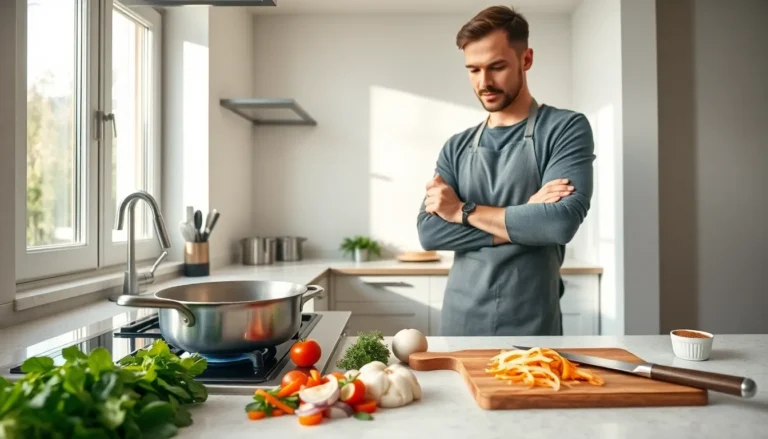

Mastering cooking techniques and strategies transforms everyday meals into memorable dishes. Home cooks often struggle with inconsistent results, but the problem usually isn’t the recipe. It’s the method. Understanding how heat works, how to handle a knife, and how flavors develop gives cooks control over their outcomes. This guide covers the essential cooking techniques that professional chefs rely on daily. From searing steaks to building sauces, these strategies apply across cuisines and skill levels. Better meals start with better fundamentals.
Table of Contents
ToggleKey Takeaways
- Mastering foundational cooking techniques like sautéing, roasting, braising, and steaming gives you control over texture, flavor, and consistency.
- Uniform knife cuts ensure even cooking—practice dice, julienne, and chiffonade for better results.
- Use mise en place (prepping all ingredients before cooking) to prevent mistakes and reduce kitchen stress.
- Build layered flavors by seasoning in stages, using the Maillard reaction for browning, and finishing with acid and fresh herbs.
- Plan meals backward from serving time to identify the critical path and maximize passive cooking moments.
- Clean as you go to maintain an organized workspace and avoid post-meal cleanup overwhelm.
Foundational Heat-Based Cooking Methods
Heat is the primary tool in any kitchen. How a cook applies heat determines texture, flavor, and doneness. The main cooking techniques fall into two categories: dry heat and moist heat methods.
Dry Heat Methods
Sautéing uses high heat and a small amount of fat in a shallow pan. This technique works best for tender cuts of meat, vegetables, and seafood. The key is keeping food moving so it browns evenly without burning. Cooks should preheat the pan before adding oil.
Roasting applies dry heat in an oven, typically at temperatures between 300°F and 450°F. This method suits larger cuts of meat, whole poultry, and root vegetables. The consistent surrounding heat creates caramelization on the exterior while cooking the interior through.
Grilling exposes food directly to a heat source from below. The intense heat creates char marks and smoky flavors. Effective grilling requires preheating the grates and managing hot and cool zones on the cooking surface.
Moist Heat Methods
Braising combines searing with slow cooking in liquid. Cooks first brown the protein, then add liquid to cover it partially. The covered pot goes into a low oven for hours. This technique breaks down tough connective tissue in cheaper cuts like chuck roast or pork shoulder.
Steaming cooks food suspended above boiling water. The gentle heat preserves nutrients and natural colors in vegetables. It also works well for delicate fish fillets that might fall apart with other cooking techniques.
Understanding these foundational cooking techniques gives cooks flexibility. They can choose the right method for each ingredient and achieve consistent results.
Knife Skills and Prep Strategies
Good knife skills speed up prep work and improve cooking results. Uniform cuts ensure even cooking. A rough chop of onions means some pieces burn while others stay raw.
Essential Cuts Every Cook Should Know
The dice creates uniform cubes. Small dice measures about ¼ inch, medium dice about ½ inch, and large dice about ¾ inch. This cut works for soups, stews, and sautés where consistent texture matters.
The julienne produces thin matchstick strips. This technique suits stir-fries and salads. To julienne, first cut the vegetable into planks, then stack the planks and slice them into strips.
The chiffonade rolls leafy herbs or greens into tight cylinders, then slices them into thin ribbons. Basil for pasta or mint for garnish often gets this treatment.
Prep Strategies That Save Time
Mise en place, French for “everything in place”, is perhaps the most valuable kitchen strategy. Cooks measure, cut, and organize all ingredients before turning on the stove. This approach prevents scrambling for a missing ingredient while something burns.
Batch prepping extends this concept. Chopping onions, garlic, and celery for the whole week on Sunday means faster weeknight dinners. Store prepped vegetables in airtight containers.
A sharp knife is safer than a dull one. Dull blades require more pressure and slip more easily. Cooks should hone their knives before each use and sharpen them professionally once or twice per year.
These cooking techniques and strategies in prep work set up success before any heat gets applied.
Flavor Building Techniques
Great dishes layer flavors at multiple stages. A single ingredient added at the right moment tastes different than the same ingredient added earlier or later.
The Maillard Reaction and Caramelization
The Maillard reaction occurs when proteins and sugars interact under high heat. This chemical process creates the brown crust on seared steak, the golden top on bread, and the color on roasted vegetables. Achieving it requires dry surfaces, wet food steams instead of browning.
Caramelization happens when sugars alone break down under heat. Onions slowly cooked over low heat for 30 to 45 minutes transform from sharp and pungent to sweet and jammy. This technique adds depth to sauces, soups, and toppings.
Building Layers of Flavor
Seasoning in stages builds complexity. Adding salt only at the end leaves food flat. Salting meat before cooking draws out moisture, which then reabsorbs along with the salt. Tasting and adjusting throughout the cooking process is one of the most important cooking techniques professional chefs practice.
Acid brightens dishes. A squeeze of lemon juice or splash of vinegar at the finish lifts heavy dishes. Without acid, rich foods taste dull.
Fat carries flavor. Oil, butter, and rendered fats distribute aromatics throughout a dish. Blooming spices in hot oil releases their essential oils and intensifies their taste.
Fresh herbs added at the end provide brightness. Cooked herbs add earthiness. Using both creates dimension. Rosemary might braise with a lamb shoulder while fresh parsley gets scattered on top before serving.
These flavor-building cooking strategies separate restaurant-quality food from average home cooking.
Time Management in the Kitchen
Efficiency determines whether cooking feels like a chore or a pleasure. Smart time management turns a stressful rush into a smooth process.
Working Backwards From Serving Time
Professional cooks plan by starting with the finish time. If dinner is at 7:00 PM, they identify the longest-cooking item and work backwards. A roast that takes two hours needs to go in by 5:00 PM, accounting for resting time.
This backward planning reveals the critical path. Some tasks can happen in parallel while others depend on previous steps finishing first. Reading the entire recipe before starting exposes these dependencies.
Multitasking Without Chaos
Passive cooking time creates opportunities. While a sauce simmers, prep the next component. While bread rises, make the filling. Effective cooks always have something working even when their hands are free.
But, multitasking has limits. Taking on too many active tasks leads to burnt pans and missed steps. The strategy is maximizing passive time while keeping active tasks manageable.
Cleaning As You Go
Dirty dishes pile up fast. Washing bowls and utensils during downtime prevents a mountain of cleanup after the meal. A clean workspace also reduces stress and mistakes.
These time management cooking techniques apply whether someone is making a quick weeknight dinner or hosting a holiday feast. The scale changes, but the principles stay the same.