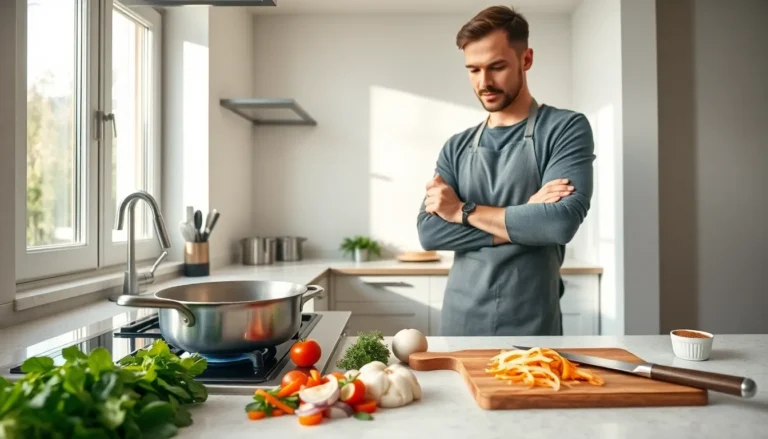

Learning essential cooking techniques transforms how home cooks approach every meal. Whether someone is preparing a quick weeknight dinner or hosting a weekend gathering, the right methods make all the difference. Cooking techniques fall into three main categories: dry heat, moist heat, and combination methods. Each technique offers unique benefits and suits different ingredients. A home cook who understands these fundamentals can turn simple ingredients into memorable dishes. This guide breaks down the most important cooking techniques and provides practical tips to improve kitchen skills.
Table of Contents
ToggleKey Takeaways
- Mastering cooking techniques—dry heat, moist heat, and combination methods—helps home cooks turn simple ingredients into memorable dishes.
- Dry heat methods like sautéing and roasting create browning and caramelization, while moist heat techniques like braising make tough cuts tender.
- Always preheat your pan before adding fat and ingredients to achieve proper browning instead of steaming.
- Braising and stewing transform inexpensive cuts into flavorful meals by breaking down collagen over low, slow cooking times.
- Combination cooking techniques, such as searing then roasting, give you the best of both worlds—a flavorful crust and evenly cooked interior.
- Build better skills by seasoning in layers, using a thermometer, and practicing cooking techniques frequently.
Dry Heat Cooking Methods
Dry heat cooking techniques use air, fat, or metal to transfer heat to food. These methods work best for tender cuts of meat, vegetables, and baked goods. They create browning and caramelization that moist heat methods cannot achieve.
Sautéing and Pan-Frying
Sautéing involves cooking food quickly in a small amount of fat over medium-high to high heat. The word “sauté” comes from the French verb meaning “to jump.” Home cooks toss or stir ingredients frequently to cook them evenly. This cooking technique works well for vegetables, thin cuts of meat, and seafood.
Pan-frying uses more fat than sautéing and cooks food at slightly lower temperatures. The food sits in the pan rather than moving constantly. Chicken cutlets, fish fillets, and breaded items benefit from pan-frying. The fat creates a crispy exterior while the interior stays moist.
Both cooking techniques require a hot pan before adding ingredients. Cold pans cause food to stick and steam rather than brown. Home cooks should heat the pan first, add fat, and wait until the fat shimmers before adding food.
Roasting and Baking
Roasting and baking both use dry heat from an oven, but they apply to different foods. Roasting typically refers to cooking meat, poultry, and vegetables. Baking describes the process for breads, pastries, and casseroles.
Roasting at high temperatures (400°F to 450°F) creates a browned exterior through the Maillard reaction. This chemical process produces hundreds of flavor compounds. Lower temperatures (300°F to 350°F) cook food more gently and work better for larger cuts that need longer cook times.
Successful roasting requires proper air circulation. Crowding the pan traps steam and prevents browning. Home cooks should leave space between items and use a rack when roasting meat. This allows heat to reach all surfaces evenly.
Moist Heat Cooking Methods
Moist heat cooking techniques use water, stock, wine, or other liquids to cook food. These methods work at lower temperatures than dry heat, water cannot exceed 212°F at sea level. Moist heat excels at breaking down tough proteins and creating tender results.
Braising and Stewing
Braising combines dry and moist heat. The cook first sears meat in a hot pan to develop flavor through browning. Then they add liquid and cook slowly in a covered pot. The liquid typically covers one-third to one-half of the food. Chuck roast, short ribs, and chicken thighs become tender and flavorful through braising.
Stewing submerges food completely in liquid. The ingredients cook together, and the liquid becomes the sauce or soup. Stewing works well for smaller pieces of meat, beans, and hearty vegetables. Both cooking techniques benefit from low temperatures and long cook times, usually two to four hours.
These methods turn inexpensive, tough cuts into delicious meals. Collagen in connective tissue breaks down into gelatin, creating rich texture and body in the cooking liquid. Patience pays off with braising and stewing.
Combination Techniques for Flavorful Results
Many successful dishes combine multiple cooking techniques. A classic example is seared then roasted steak. The cook first browns the meat in a hot pan, then finishes it in the oven. This approach creates a flavorful crust while cooking the interior evenly.
Stir-frying combines elements of sautéing with high-heat cooking principles from Asian cuisines. Ingredients cook quickly in a wok or large pan with constant movement. The intense heat creates “wok hei”, the smoky, charred flavor prized in Chinese cooking.
Some home cooks poach proteins before finishing with dry heat. Poaching chicken in seasoned liquid adds flavor and ensures even cooking. A quick sear afterward adds texture contrast.
Understanding multiple cooking techniques allows cooks to solve problems creatively. Thick pork chops might burn on the outside before cooking through with direct heat alone. Reverse searing, starting low in the oven and finishing in a hot pan, solves this problem. These combination methods showcase how mastering individual cooking techniques opens up new possibilities.
Tips for Improving Your Cooking Skills
Practice makes better cooks. Here are practical ways to sharpen cooking techniques:
Season in layers. Add salt at multiple stages rather than all at once. Season meat before cooking, vegetables as they sauté, and taste the finished dish for final adjustments. Layered seasoning creates depth.
Let meat rest after cooking. Resting allows juices to redistribute throughout the protein. Cut too soon, and those juices end up on the cutting board instead of in each bite. Five to ten minutes works for most cuts.
Use a thermometer. Guessing internal temperatures leads to overcooked or undercooked food. An instant-read thermometer removes the guesswork and builds confidence in cooking techniques.
Read recipes completely before starting. Many home cooks begin cooking and realize halfway through they’re missing an ingredient or a crucial step. Reading ahead prevents surprises.
Clean as you go. Professional kitchens stay organized during service for good reason. Washing dishes and wiping surfaces between tasks keeps the workspace functional and reduces stress.
Cook more often. Repetition builds muscle memory and intuition. Someone who sautés vegetables three times a week will develop better technique than someone who does it monthly. Frequency matters more than perfection.