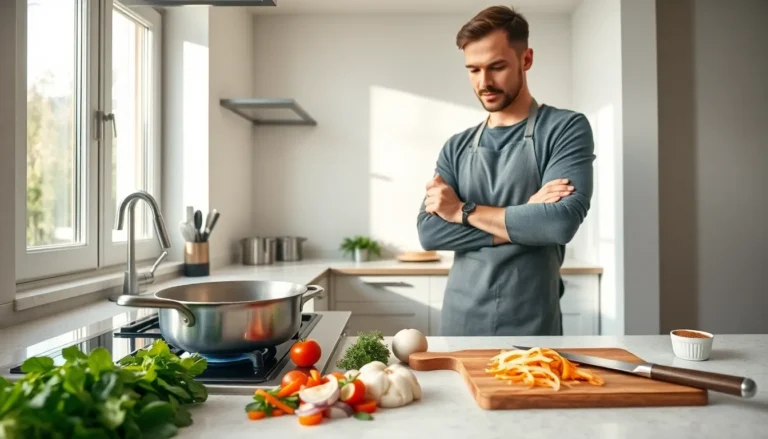

Cooking techniques trends 2026 are shaping how home cooks and professional chefs approach the kitchen. The food world is shifting fast. Fermentation jars are back on countertops. Smart appliances now guide recipes in real time. Plant-based methods have moved from niche to normal. This year brings a mix of old traditions and new technology to dinner tables everywhere. Whether someone wants to reduce food waste or explore global flavors with authentic methods, these trends offer practical ways to cook smarter. Here’s what’s changing in kitchens around the world, and why it matters.
Table of Contents
ToggleKey Takeaways
- Cooking techniques trends 2026 blend traditional methods like fermentation and preservation with smart kitchen technology for better results at home.
- Plant-forward techniques now treat vegetables like premium proteins—smoking carrots, braising cabbage, and searing cauliflower steaks.
- AI-powered recipe apps and affordable sous vide machines are making restaurant-quality cooking accessible to home cooks.
- Sustainable practices like root-to-stem cooking and residual heat methods help reduce food waste while saving money.
- Global fusion and authentic regional cooking are both thriving, with social media accelerating how quickly these techniques spread.
- Fermented condiments such as miso butter and lacto-fermented hot sauce are becoming everyday kitchen staples in 2026.
Fermentation and Preservation Methods Making a Comeback
Fermentation has returned with force. Home cooks are rediscovering techniques their grandparents used daily. Kimchi, sauerkraut, miso, and kombucha now appear in kitchens across the country. These cooking techniques trends 2026 connect health benefits with rich flavors.
The appeal is simple. Fermented foods support gut health. They add depth to dishes without extra salt or fat. A spoonful of homemade kimchi can transform a basic rice bowl into something memorable.
Preservation methods like pickling, curing, and dehydrating are also gaining ground. People want to extend the life of seasonal produce. They want to reduce grocery runs. A jar of quick-pickled onions takes 20 minutes and lasts for weeks.
The tools have improved too. Fermentation crocks with water seals make the process foolproof. Vacuum sealers help home cooks age meats safely. These aren’t restaurant-only techniques anymore. They’re accessible cooking techniques trends 2026 that anyone can try.
Expect to see more recipes featuring fermented condiments as base ingredients. Think miso butter on grilled vegetables or lacto-fermented hot sauce on tacos.
Technology-Enhanced Cooking at Home
Smart kitchen technology is changing how people cook. In 2026, cooking techniques trends include AI-powered recipe assistants, precision cookers, and connected appliances that talk to each other.
Sous vide machines have dropped in price. A device that cost $400 five years ago now sells for under $100. Home cooks use these tools to achieve restaurant-quality results. Steak cooked at exactly 130°F for two hours. Eggs with perfectly runny yolks every time.
Smart ovens now recognize food and adjust temperature automatically. Place a frozen pizza inside, and the oven knows what to do. This removes guesswork and reduces failures.
AI recipe apps suggest meals based on what’s already in the fridge. They adjust portions, swap ingredients for dietary needs, and provide step-by-step video guidance. Cooking techniques trends 2026 put technology directly in the cook’s hands.
Voice-controlled timers and temperature probes have become standard. Cooks can monitor a roast from another room using their phones. These tools don’t replace skill, they support it.
The result? More people cooking at home with confidence. Technology lowers the barrier to entry for complex cooking techniques.
Plant-Forward Techniques Going Mainstream
Plant-forward cooking has moved beyond salads and smoothies. In 2026, cooking techniques trends show vegetables taking center stage with methods borrowed from meat preparation.
Chefs smoke carrots like brisket. They braise cabbage for hours until it becomes tender and caramelized. Cauliflower steaks get seared in cast iron with the same care as a ribeye. These techniques create satisfying dishes without relying on meat substitutes.
The focus has shifted from imitation to innovation. Instead of making vegetables taste like meat, cooks highlight what plants do best. A properly roasted beet has sweetness and texture that no fake burger can match.
Fermentation plays a role here too. Cooking techniques trends 2026 combine plant-forward approaches with preservation methods. Fermented mushroom pastes add umami. Pickled vegetables provide acidity and crunch.
Home cooks are learning to use whole vegetables. Carrot tops become pesto. Broccoli stems get shaved into slaws. This approach reduces waste while adding variety to meals.
Restaurants have led this shift, but home kitchens are catching up. Cookbooks and online tutorials now teach these techniques to everyday cooks.
Global Fusion and Regional Authenticity
Two forces are shaping cooking techniques trends 2026: fusion creativity and regional authenticity. They might seem opposed, but they work together.
Fusion cooking continues to thrive. Korean tacos, Japanese-Italian pasta, and Indian-Mexican mashups appear on menus everywhere. Cooks blend techniques from different cultures to create something new. A tandoori chicken quesadilla uses Indian spices with Mexican cooking methods.
At the same time, there’s growing interest in authentic regional techniques. People want to learn the right way to make hand-pulled noodles. They seek out traditional clay pot cooking from Morocco. They study the specific fermentation methods behind Japanese pickles.
Social media drives both trends. Videos showing street food preparation in Bangkok inspire home cooks. Detailed tutorials explain regional differences in Italian pasta shapes. Cooking techniques trends 2026 spread faster than ever through these platforms.
The key shift is respect. Fusion works best when cooks understand the original techniques they’re combining. A chef who knows how to properly temper spices for Indian cuisine can blend those methods with other traditions more successfully.
Grocery stores have responded with better ingredient availability. Specialty items that required trips to ethnic markets now appear in mainstream supermarkets.
Sustainable and Zero-Waste Cooking Practices
Sustainability has become a core focus in cooking techniques trends 2026. Cooks want to use every part of their ingredients. They want to reduce energy consumption. They want to make choices that help the environment.
Nose-to-tail and root-to-stem cooking have gained mainstream acceptance. Chicken bones become stock. Vegetable scraps flavor broths. Citrus peels get candied or dried for seasoning. Nothing goes in the trash if it can serve a purpose.
Energy-efficient techniques are also trending. Residual heat cooking uses the heat already in a pot to finish dishes with the burner off. Pressure cookers reduce cooking times by 70%. Batch cooking on weekends cuts energy use during busy weekdays.
Cooking techniques trends 2026 include a renewed focus on seasonal eating. When people cook what grows locally, they reduce transportation impacts. Summer tomatoes taste better and cost less than winter imports.
Food storage methods matter too. Proper storage extends ingredient life. Understanding how to store herbs, which vegetables need refrigeration, and how to freeze effectively reduces waste.
These practices save money alongside their environmental benefits. A family that reduces food waste can save hundreds of dollars yearly.