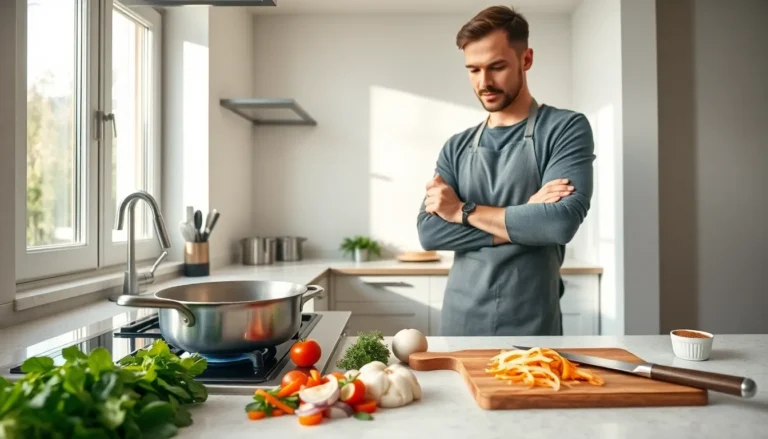

Cooking techniques ideas can turn an average meal into something memorable. The difference between a good home cook and a great one often comes down to method, not ingredients. Whether someone wants to achieve a perfect sear on a steak or create a silky braised dish, the right technique makes all the difference.
This guide breaks down essential cooking techniques into four categories: dry heat methods, moist heat methods, combination cooking, and quick techniques. Each approach serves a specific purpose. Dry heat creates browning and crisp textures. Moist heat delivers tender, fall-apart results. Combination methods blend both for deep flavor. Quick techniques help busy cooks get dinner on the table fast.
Understanding these cooking techniques ideas gives home cooks the confidence to experiment. They’ll know why certain methods work for specific ingredients, and how to adjust when things don’t go as planned.
Table of Contents
ToggleKey Takeaways
- Mastering cooking techniques ideas transforms average meals into memorable dishes by focusing on method over ingredients.
- Dry heat methods like roasting, sautéing, and grilling create browning and crisp textures through the Maillard reaction.
- Moist heat techniques such as braising and poaching turn tough, inexpensive cuts into tender, flavorful dishes.
- Combination cooking methods like stewing and stir-frying blend browning with liquid for maximum depth of flavor.
- Quick techniques including blanching and one-pan methods help busy home cooks save time without sacrificing quality.
- Understanding why each technique works gives cooks the confidence to experiment and adjust when needed.
Essential Dry Heat Cooking Methods
Dry heat cooking uses air, fat, or metal to transfer heat directly to food. No liquid surrounds the ingredient. This category includes roasting, grilling, sautéing, and pan-frying. Each method produces browning through the Maillard reaction, the chemical process that creates flavor compounds and that appealing golden crust.
Roasting and Baking
Roasting applies dry heat in an enclosed oven. It works best for larger cuts of meat, whole chickens, and vegetables. The hot air circulates around the food, cooking it evenly while the exterior browns. Most roasting happens between 325°F and 450°F.
For vegetables, higher temperatures (400°F–425°F) create caramelization quickly. Toss them in oil, spread them in a single layer, and let the oven do the work. Crowding the pan traps steam and prevents browning.
Sautéing
Sautéing uses a small amount of fat in a hot pan. The term comes from the French word “sauter,” meaning to jump. Cooks toss or stir ingredients quickly over high heat. This cooking technique idea works well for thin cuts of meat, seafood, and cut vegetables.
The keys to successful sautéing: preheat the pan, use enough fat to coat the bottom, and avoid overcrowding. Food should sizzle immediately when it hits the pan. If it doesn’t, the pan isn’t hot enough.
Grilling and Broiling
Grilling applies direct heat from below. Broiling does the same from above. Both methods create intense heat that chars the surface while cooking the interior. They’re ideal for steaks, burgers, fish fillets, and summer vegetables.
Grilling works best with foods that cook relatively quickly. Thick cuts benefit from a two-zone setup, sear over direct heat, then move to a cooler area to finish cooking through.
Moist Heat Techniques for Tender Results
Moist heat cooking uses water, stock, wine, or other liquids to transfer heat. Temperatures stay at or below 212°F (the boiling point of water). These methods excel at breaking down tough proteins and creating tender textures.
Braising
Braising combines an initial sear with slow cooking in liquid. The food sits partially submerged, covered, and cooks at low temperatures for extended periods. Tough cuts like beef chuck, pork shoulder, and lamb shanks become fork-tender through this process.
Collagen in the meat converts to gelatin over time. This transformation requires patience, most braises need 2–4 hours. The payoff is silky texture and deeply flavored sauce. This cooking technique idea turns inexpensive cuts into showcase dishes.
Poaching and Simmering
Poaching cooks food gently in liquid held between 160°F and 180°F. No bubbles break the surface. This delicate approach preserves moisture in proteins like chicken breast, fish, and eggs.
Simmering runs slightly hotter (180°F–205°F). Small bubbles rise occasionally. It’s the standard method for making stocks, cooking grains, and preparing beans from scratch.
Steaming
Steaming suspends food above boiling water. The hot vapor cooks ingredients without direct contact with liquid. Vegetables retain more nutrients and brighter colors through steaming compared to boiling.
A simple steamer basket transforms any pot into a steaming setup. Fish fillets, dumplings, and delicate vegetables all respond well to this technique. Cooking times run shorter than other moist heat methods.
Combination Cooking for Maximum Flavor
Some cooking techniques ideas blend dry and moist heat methods. These combination approaches capture the best of both worlds, browning for flavor development, then liquid for tenderization.
Stewing
Stewing resembles braising but uses more liquid. The food sits fully submerged rather than partially covered. Cut ingredients into smaller, uniform pieces before cooking. Beef stew, chicken fricassee, and vegetable ragout all use this method.
The cooking liquid becomes the sauce. Build flavor by sautéing aromatics first, onions, carrots, celery, and garlic. Deglaze the pan to capture any fond (the browned bits stuck to the bottom). These steps create depth that simple boiling can’t match.
Pot Roasting
Pot roasting starts with searing a large cut of meat, then cooking it covered with a small amount of liquid. It falls between roasting and braising. The meat doesn’t sit in liquid like a braise, but steam keeps it moist.
This cooking technique idea works for roasts that might dry out in a conventional oven. The covered environment traps moisture while still allowing some browning on the top surface.
Stir-Frying
Stir-frying uses high heat and constant motion to cook ingredients quickly. A wok provides the ideal vessel, its shape concentrates heat at the bottom. Ingredients go in batches, starting with proteins, then vegetables.
The sauce typically goes in at the end. A slurry of cornstarch and liquid thickens it rapidly. Everything comes together in minutes. Prep work takes longer than actual cooking.
Quick Techniques to Save Time in the Kitchen
Not every meal allows for hours of cooking. These cooking techniques ideas deliver results fast without sacrificing quality.
Blanching
Blanching plunges vegetables into boiling water briefly, then transfers them to ice water. This technique sets color, softens texture slightly, and removes raw flavor. Green beans take about 3 minutes. Asparagus needs 2.
Blanching also loosens skins on tomatoes, peaches, and almonds. Score the skin, blanch for 30 seconds, and the peel slips right off. Home cooks use this method to prep vegetables for freezing too.
Flash Cooking Under High Heat
Thin cuts of meat and fish cook in minutes under intense heat. Preheat a cast iron skillet until it smokes slightly. Add oil, then the protein. Flip once. A half-inch pork chop finishes in 4–5 minutes total.
This speed depends on surface area. Pounding chicken breasts to even thickness ensures fast, consistent cooking. The technique demands attention, seconds can separate perfectly cooked from overdone.
One-Pan Methods
Sheet pan dinners combine proteins and vegetables on a single tray. Everything roasts together at high heat. The key is matching cook times. Dense vegetables like potatoes need a head start. Delicate items like cherry tomatoes go in later.
Skillet meals follow similar logic. Brown the protein, set it aside, cook vegetables in the same pan, then combine. One pan means one cleanup, and all those fond bits flavor everything.